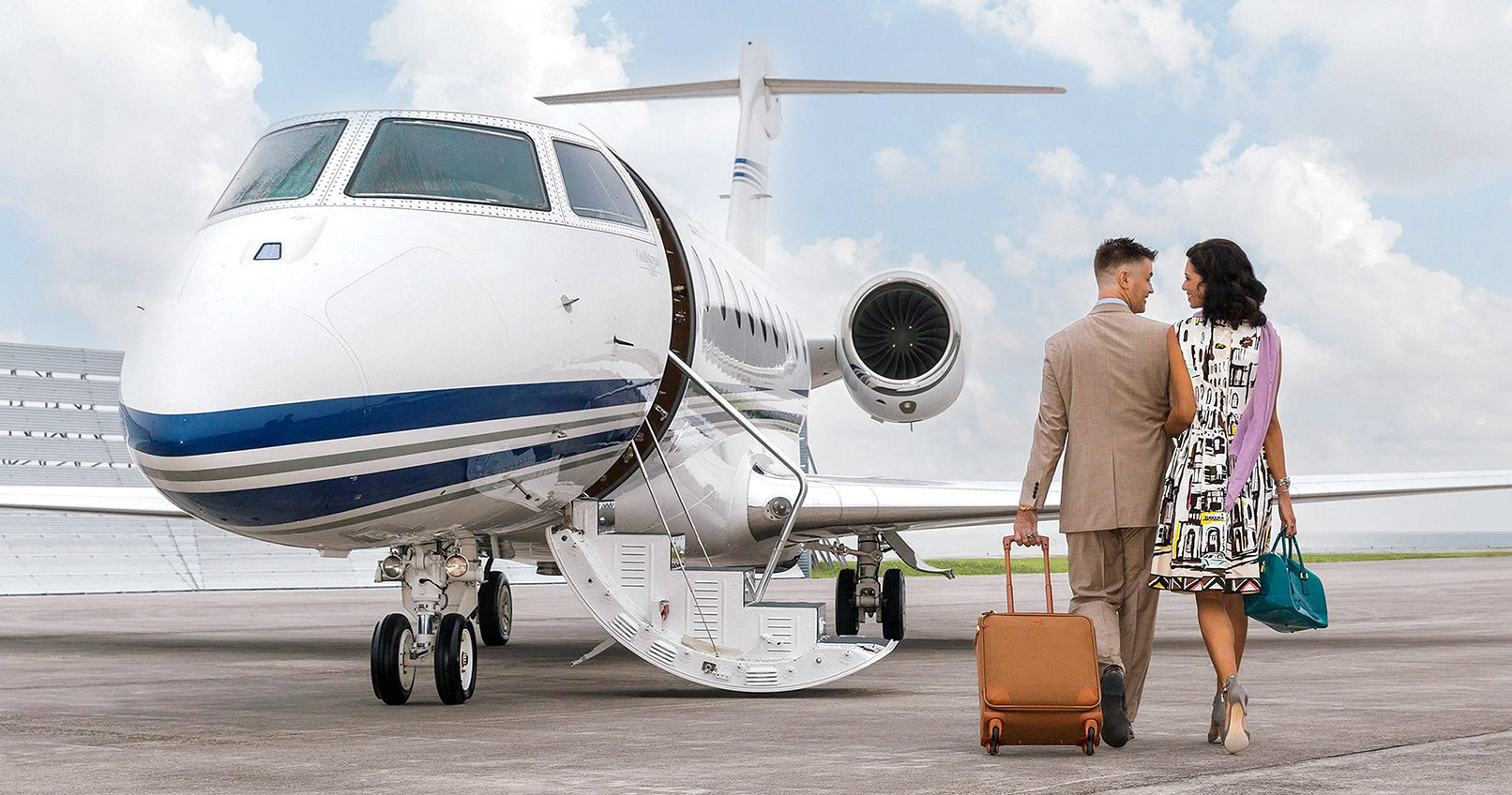
Private Jet Charter Prices 2026: The Ultimate Cost and Booking Guide
Private Jet Charter Prices 2026: Comprehensive Cost Guide and Market Trends
Navigating the world of private aviation requires a deep understanding of the shifting economic landscape, especially as we move through 2026. This year, the industry has seen a stabilization in pricing alongside a massive leap in onboard technology and sustainable fuel integration. Whether you are a corporate executive optimizing a multi-city tour or a leisure traveler seeking the pinnacle of privacy, understanding the current cost structures is essential for making an informed investment in your time and comfort.
The 2026 market is characterized by a “flight to quality,” where travelers are increasingly prioritizing newer, more efficient aircraft that offer better range and lower carbon footprints. Prices are no longer just a reflection of flight hours but are now influenced by sophisticated dynamic pricing models, real-time fuel surcharges, and the inclusion of premium services such as high-speed Starlink connectivity and gourmet catering.
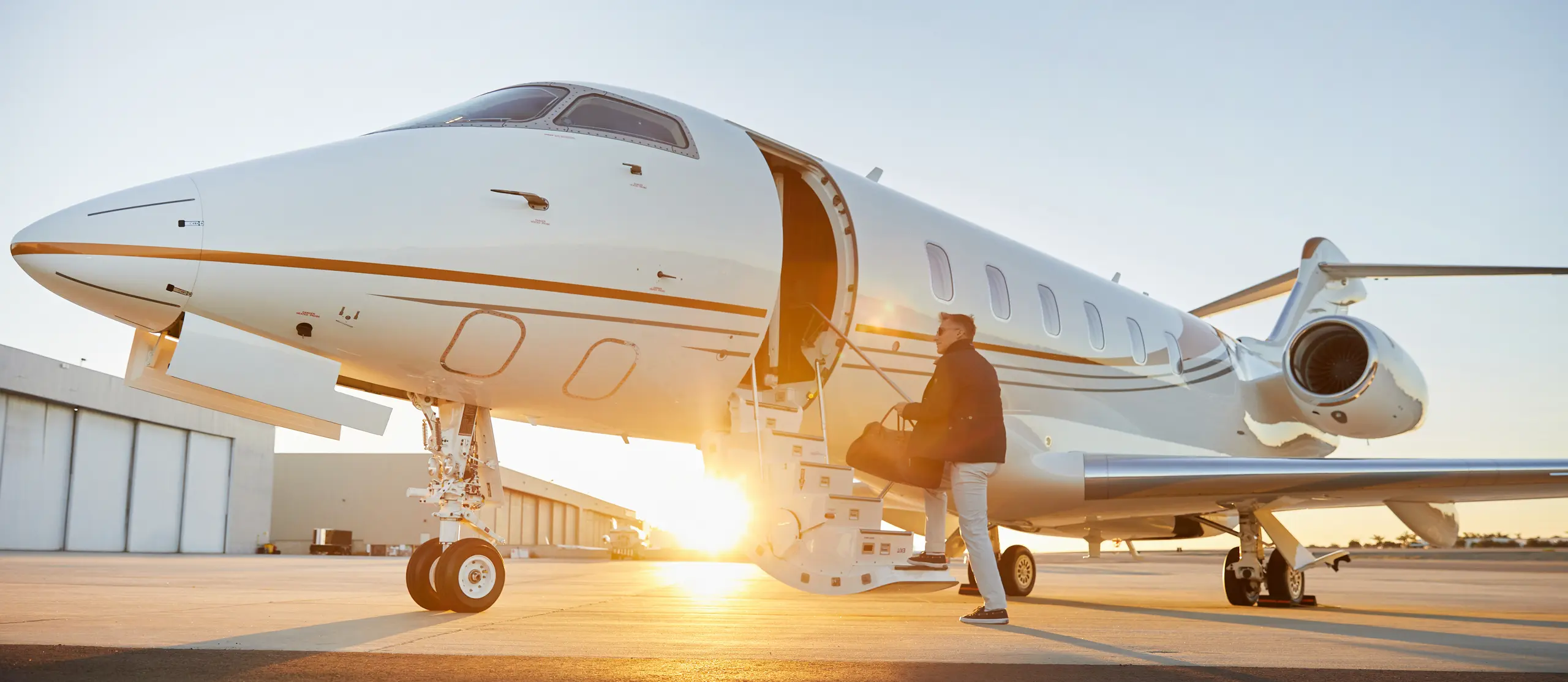
Understanding Private Jet Charter Pricing Structures in 2026
To accurately budget for private travel this year, it is vital to look beyond the simple hourly rate. While the “sticker price” per hour is a useful benchmark, the total cost of a charter is composed of several moving parts that can vary based on the airport, the duration of the stay, and the specific aircraft’s performance capabilities.
In 2026, the industry has largely moved toward transparent, all-inclusive quoting. However, standard quotes typically still break down into base hourly rates, fuel surcharges, landing fees, and federal excise taxes (FET). For international missions, additional costs like handling fees, de-icing (seasonal), and crew overnight expenses must be accounted for to avoid surprises on the final invoice.
Average Hourly Rates by Aircraft Category
The following table provides a breakdown of the expected hourly rates for various aircraft classes in 2026. These figures represent the market average for “floating fleet” on-demand charters.
| Aircraft Category | 2026 Hourly Rate Range (USD) | Typical Passenger Capacity | Ideal Mission Profile |
| Very Light Jets (VLJ) | $2,800 – $3,800 | 4 – 5 | Short regional hops (1-2 hours) |
| Light Jets | $4,000 – $5,500 | 6 – 7 | Domestic trips (under 3 hours) |
| Midsize Jets | $6,000 – $8,500 | 7 – 9 | Transcontinental (3-5 hours) |
| Super-Midsize Jets | $9,000 – $12,500 | 8 – 10 | Coast-to-coast & trans-Atlantic |
| Heavy / Ultra-Long Range | $14,000 – $22,000+ | 12 – 16 | Intercontinental (8-14+ hours) |
Key Factors Influencing Total Charter Costs
Beyond the aircraft size, the “positioning” or “ferry” fees often play a significant role in the final price. If an aircraft needs to fly empty from its home base to pick you up, you are often responsible for that flight time. In 2026, savvy travelers use digital marketplaces to find “Empty Legs”—discounted one-way flights that occur when a jet needs to return to its base.
Additionally, the age of the aircraft significantly impacts the price. A 2025 or 2026 model Bombardier Global or Gulfstream will command a premium over a ten-year-old airframe due to its advanced avionics, quieter cabin, and better fuel efficiency. When requesting a quote, always ask for the “Year of Make” (YOM) and the date of the last interior refurbishment to ensure the value matches the price.
Technological Benefits and Enhanced Efficiency in 2026
The private aviation sector has embraced 2026 as the year of “Hyper-Efficiency.” New aerodynamic designs and engine technologies have allowed jets to fly further on less fuel, directly benefiting the charterer through reduced fuel surcharges. Furthermore, the integration of AI-driven flight planning tools now allows operators to optimize routes in real-time to avoid turbulence and head-winds, cutting down flight times significantly.
From a passenger perspective, the technological benefits extend into the cabin. Most top-tier charter jets in 2026 are equipped with low-altitude cabin pressurization systems. This technology ensures that even when flying at 45,000 feet, the cabin feels like it is at a much lower elevation, such as 3,000 feet. This significantly reduces travel fatigue and jet lag, allowing business travelers to step off the plane and go straight into a high-stakes meeting.
Connectivity and Onboard Productivity
The era of slow, unreliable “airplane Wi-Fi” is over. In 2026, the standard for private jet charters is high-speed, low-latency satellite internet. This allows for seamless 4K video conferencing, live streaming, and secure cloud-based collaboration at 500 mph. For the modern executive, the aircraft is no longer just a mode of transport; it is a fully functioning mobile office that preserves the most valuable asset: time.
Privacy has also reached new heights with the implementation of advanced sound-damping materials and active noise-cancellation technology in the cabin walls. This allows for confidential conversations to remain private, even in smaller jet categories. The ability to conduct sensitive board meetings or legal negotiations in a secure, bug-free environment is a primary driver for the continued growth of the charter market this year.
Sustainability and Carbon Offsetting Tools
In 2026, many charter platforms have integrated Sustainable Aviation Fuel (SAF) options directly into the booking process. Travelers can now choose to pay a “Green Premium” to ensure their flight utilizes SAF, or they can participate in verified carbon-sequestration programs through the booking app. This technological shift allows corporations to maintain their ESG (Environmental, Social, and Governance) targets while still benefiting from the efficiency of private travel.
New “Smart Glass” technology is also becoming common, where windows tint automatically based on the sun’s position to maintain a cool cabin temperature without overworking the air conditioning. This subtle use of technology reduces the aircraft’s energy consumption and enhances passenger comfort by eliminating glare during daytime flights.
Top 5 Private Jet Models to Charter in 2026
To provide a clearer picture of what your money buys in the current market, here are the five most sought-after aircraft for charter in 2026, ranging from regional champions to intercontinental giants.
1. Bombardier Global 8000
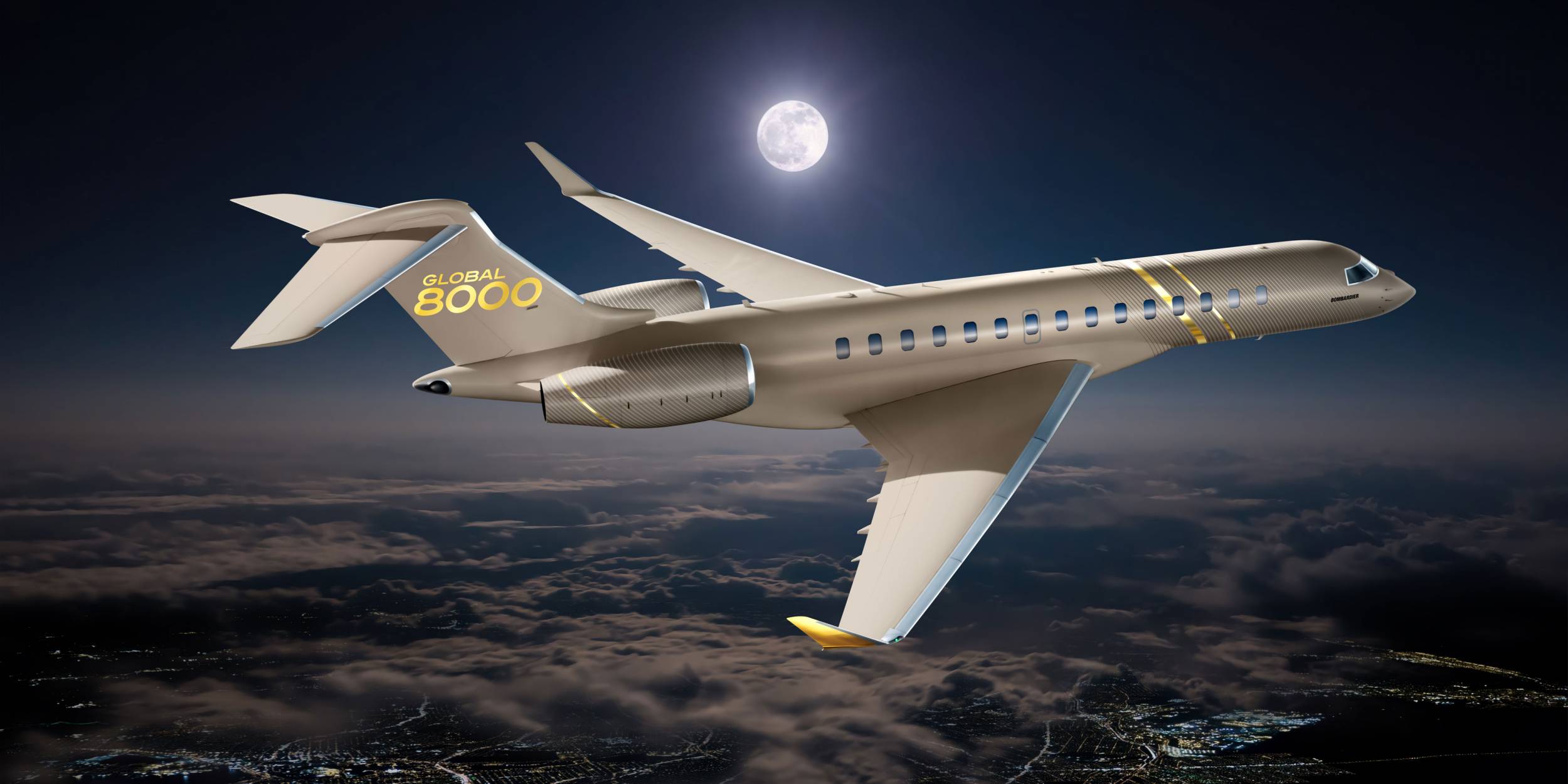
The Bombardier Global 8000 is the flagship of 2026 aviation. It is currently the fastest business jet in the world, capable of reaching speeds of Mach 0.94. For travelers flying from London to Perth or Los Angeles to Singapore, this aircraft provides an industry-leading range of 8,000 nautical miles. The cost to charter this behemoth typically starts at $19,000 per hour, reflecting its status as a pinnacle of engineering.
Inside, the Global 8000 features the “Pũr Air” system, which uses a HEPA filter to replace the cabin air every 90 seconds. The principal suite includes a full-size bed and a stand-up shower, making it the preferred choice for heads of state and global CEOs who need to arrive in peak condition.
2. Cessna Citation Ascend

The Citation Ascend has become the workhorse of the midsize category in 2026. It perfectly balances operational efficiency with a luxury experience. With a range of approximately 2,100 nautical miles, it can easily handle missions like New York to Miami or London to Ibiza. Charter prices for the Ascend hover around $7,500 per hour.
What sets the Ascend apart is its redesigned cabin, which offers a completely flat floor—a rarity in this size class. This provides more legroom and ease of movement for the 7 to 9 passengers it can carry. Its upgraded Garmin G5000 avionics suite also allows it to access smaller airports with shorter runways, bringing you closer to your final destination.
3. Embraer Phenom 300E

The Phenom 300E continues its reign as the most delivered light jet in the world through 2026. It is exceptionally popular for its “Best-in-Class” altitude (45,000 ft) and high cruise speed. At roughly $4,800 per hour, it offers a cost-effective solution for small groups of 6 passengers traveling short-to-medium distances.
The 300E is famous for its “Bossa Nova” interior, which features carbon fiber accents and a highly intuitive cabin management system. It is the ideal choice for regional business trips where speed and ramp presence are important, but a larger jet would be over-specified.
4. Gulfstream G700
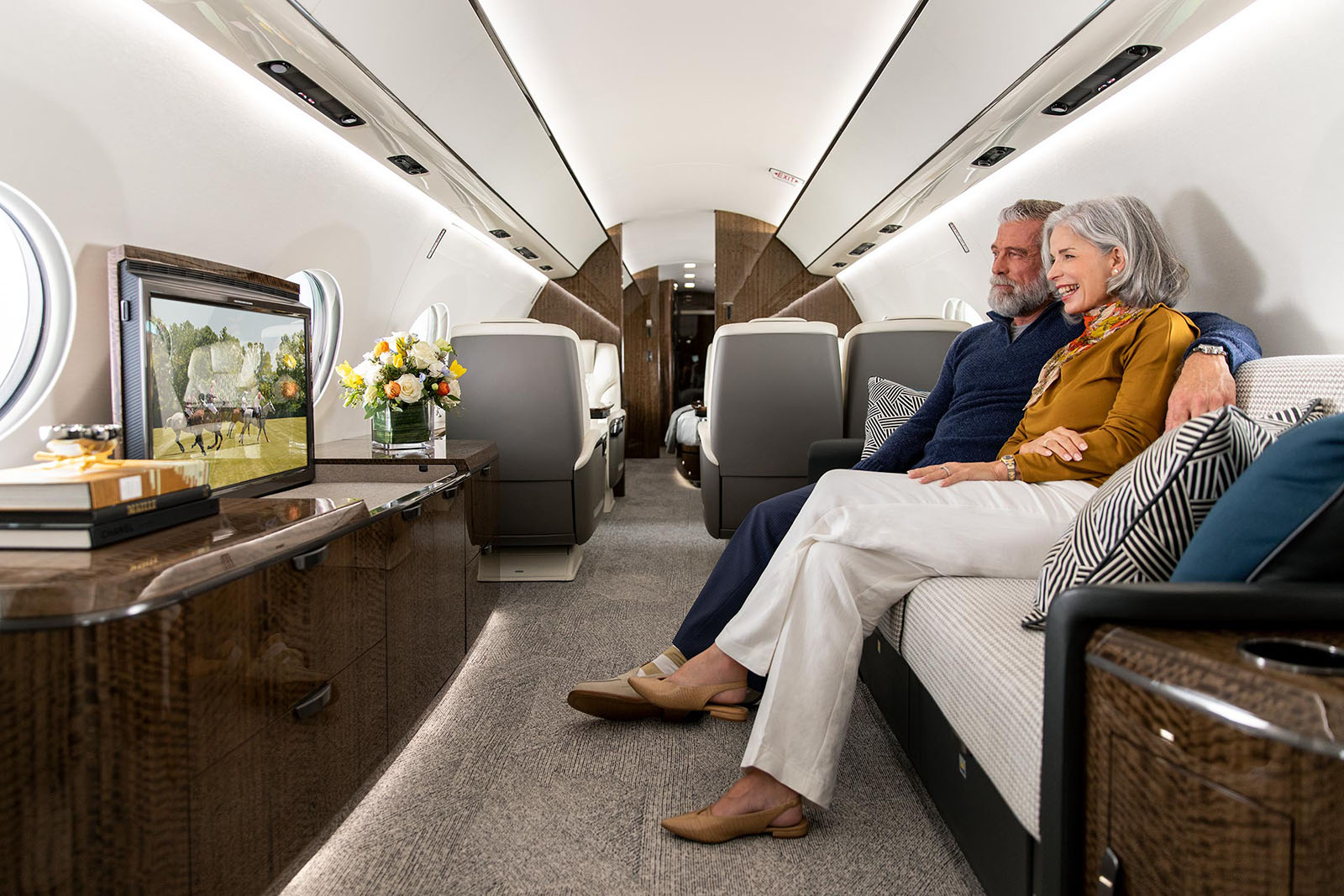
The Gulfstream G700 remains a symbol of ultimate luxury in 2026. Its cabin is the most spacious in the industry, featuring up to five living areas, including a dedicated grand suite with a fixed bed and a master bath. Chartering a G700 usually requires a budget of $18,000 to $21,000 per hour.
One of its most beneficial features is the Gulfstream Cabin Experience, which provides 100% fresh, never-recirculated air and the lowest cabin altitude in its class. For those who prioritize wellness and aesthetics, the 20 signature panoramic windows provide an abundance of natural light that no other aircraft can match.
5. Cirrus Vision Jet G3

For the “owner-pilot” or the solo traveler on a budget, the Cirrus Vision Jet G3 is the premier entry-level jet in 2026. It is the only jet in its class to feature a whole-airframe parachute system (CAPS) and an “Autoland” button for emergencies. At just $2,800 to $3,200 per hour, it is the most affordable way to “go jet.”
The G3 version includes upgraded batteries for better cold-weather starts and an expanded seating configuration that can fit up to 5 adults and 2 children. It is perfect for weekend getaways to mountain resorts or island hopping where a larger jet would be unable to land.
Use Cases: Solving Complex Travel Challenges
Private jet charters in 2026 are not just about luxury; they are about solving specific logistical problems that commercial aviation cannot handle. One of the most common use cases is the “Multi-City Sprint.” A legal team or an investment group might need to visit three different production facilities in three different states in a single day. On a commercial airline, this would take three days and multiple hotel stays. A private jet completes the circuit in 10 hours, returning the team home for dinner.
Another critical use case is “Point-to-Point Regional Access.” There are over 5,000 airports in the U.S. that can accept private jets, but only about 500 that support commercial flights. If your destination is a remote manufacturing town or a private estate in the countryside, flying private saves you hours of ground transportation from a major hub.
Why People Need to Use Private Charters in 2026
The primary driver is the reliability gap. Commercial airlines in 2026, while improved, still struggle with crew shortages and hub congestion. A private charter provides a guaranteed departure time and the ability to change the schedule on the fly. If your meeting runs two hours late, the jet waits for you. This level of control is essential for high-stakes business where being late is not an option.
Furthermore, the security and health benefits remain a top priority. In a private terminal (FBO), you avoid the crowds of thousands. You go from your car to the plane in less than 15 minutes. For high-profile individuals or those with compromised immune systems, the ability to control the environment and the passenger manifest is a necessity, not a luxury.
How and Where to Buy: Your 2026 Booking Guide
Buying a private jet charter has never been easier thanks to the “Uber-ification” of the industry. In 2026, most travelers use one of three methods to book:
-
On-Demand Charter Brokers: Companies like Bitlux or Air Charter Service act as intermediaries, searching the global market to find the best aircraft for your specific trip. This is best for occasional flyers who want the lowest price for each individual mission.
-
Jet Cards and Memberships: For those flying more than 25 hours a year, programs from Sentient Jet or Wheels Up offer fixed hourly rates and guaranteed availability. You pay a deposit upfront and “draw down” from your balance.
-
Fractional Ownership: The most premium option, through providers like NetJets, where you buy a “share” of a specific aircraft (e.g., 1/16th). This is the closest experience to full ownership without the management headache.
2026 Private Jet Charter FAQ
What is the cheapest private jet to charter in 2026?
The most affordable options are Turboprops (like the Pilatus PC-12) and Very Light Jets (like the Cirrus Vision Jet). These typically start around $1,500 to $2,800 per hour depending on the route and availability.
Can I book a private jet for just one seat?
Yes, several “semi-private” services in 2026 allow you to book a seat on a scheduled private flight between popular hubs like New York and London or Los Angeles and Las Vegas. This offers the FBO experience at a fraction of the cost of a full charter.
How far in advance should I book for 2026 travel?
For standard domestic trips, 48 to 72 hours is usually sufficient. However, for peak holiday periods (like December or during major sporting events), it is recommended to book 4 to 6 weeks in advance to secure your preferred aircraft type and avoid high “peak day” surcharges.